A sheet metal fabrication is a vital production method, which changes flat metal sheets into functional and accurate parts that are utilized in various fields in the automobile, electronics, aircraft, and industrial equipment industries. Knowing this process, the first design phase through to the finished part can enable businesses to make informed decisions, enhance the quality of the products and lower the production costs. Firms such as ShincoFab are involved in precisely, efficiently and consistently doing this whole journey.
Design and Engineering Preparation
The fabrication of sheet metal starts with design. The customers normally submit 2D drawings or 3D CAD models that identify the geometry, dimensions, the material type, and tolerance requirements of the part. This is the necessary level of design since any small mistake is likely to result in expensive rework at the production stage.
Design In each design, ShincoFab has an experienced team of engineers who perform a Design for Manufacturability (DFM) analysis. This measure will make the part easy to be easily manufactured through the existing processes like cutting, bending and welding. The engineers can recommend the changes to the bend radii, placement of holes, or material thickness to minimize waste, enhance strength and simplify assembly. Design optimization enables ShincoFab to save time and unnecessary costs for clients.
Material Selection and Preparation
After designing the final design, the selection of the appropriate metal material follows. Typical materials are aluminum, stainless steel, carbon steel, galvanized steel, copper, brass, titanium and nickel alloys. All materials have varying characteristics in regard to strength, corrosion, weight, and appearance.
Preparation of flat metal sheets is done after the selection of the material. These sheets are checked to ascertain that they are of the right thickness and quality. Preparation of materials properly also leads to uniform performance during the manufacturing process and helps towards the overall durability of the end product.
Cutting and Shaping the Metal
The second step will be to cut the metal sheets into accurate shapes according to the approved design. The current sheet metal production is based on the cutting technology that makes sheet metal fabrication very precise and with clean edges.
ShincoFab relies on laser cutting, waterjet cutting, CNC punching and stamping based on the requirements of the project. Laser cutting is best applied to complex shapes and tight tolerances, whereas stamping and punching would be effective in large-volume production. Even complex designs can have their accuracy repeated with these automated processes, and material wastage is minimized.
Bending and Forming Operations
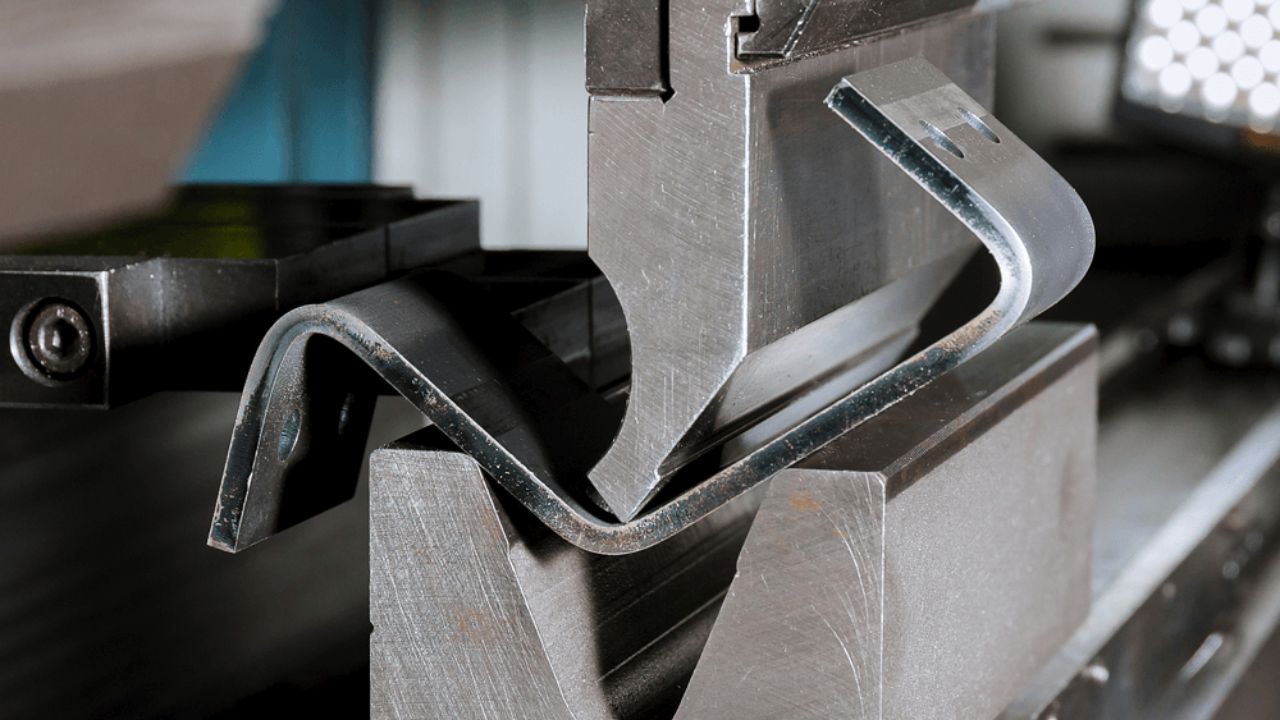
The flat metal pieces are cut and go through bending and forming. This process converts two-dimensional sheets into three-dimensional components with the help of the controlled force at certain angles.
ShincoFab uses CNC bending machines, which create a tight-tolerance bend process even on the more complicated multi-step forms. Bending is imperative to bend correctly since angles or misalignment may interfere with assembly and part functionality. The high level of equipment and well-prepared operators give each bend precisely the original design specification.
Welding and Assembly
The parts that need several components are then welded and assembled after the bending process. Welding is used to connect metal components into strong, permanent bonding that are structurally stable.
ShincoFab provides TIG welding, MIG welding and robotic welding in order to suit various strength and appearance needs. Specifically, robotic welding enhances precision and minimizes human error during large-volume production. After welding, assemblies are meticulously checked to have clean joints and proper alignment.
Surface Finishing and Treatment
The last manufacturing process is surface finishing, which has both functional and aesthetic functions. Processes like finishing enhance corrosion resistance, durability and aesthetic value.
ShincoFab offers powder coating, painting, anodizing, electroplating, polishing, brushing and sandblasting depending on the application. These treatments prevent environmental degradation of the metal, besides improving its appearance to the industry or branding criteria.
Quality Inspection and Delivery
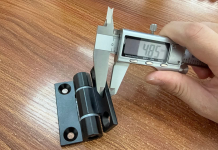
The quality of any fabricated component is checked thoroughly before shipment. Structural integrity, surface quality and dimensional accuracy are confirmed with professional inspection tools such as a coordinate measuring machine. Only the parts that are up to specifications are allowed to be sent.
Finished products are then well packaged before being shipped to the market to avoid damage during transportation. ShincoFab also offers regular and fast delivery services that make sure that customers get their parts in time and can be used.
Conclusion
The process of sheet metal fabrication is very technical and controlled, from the first design to the delivery of the final product. ShincoFab has integrated highly sophisticated machinery, engineering know-how, and high-quality assurance to produce dependable parts of the metal sheet with a high degree of precision and to the high standards that modern manufacturing requires. This is an end-to-end strategy that has guaranteed efficiency, uniformity, and self-assurance in all levels of production.