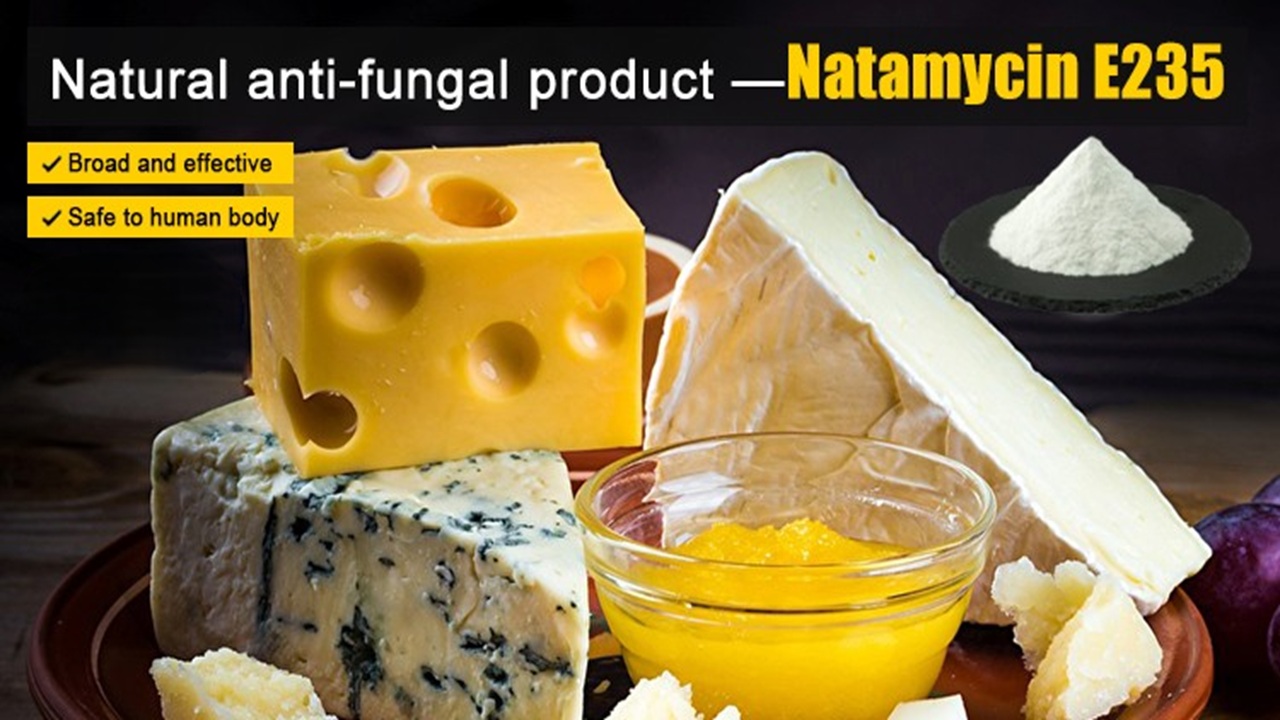
Food Safety Guide: Natamycin Properties and Applications from Sunsinjoy
The issue of food safety is a very serious problem among the manufacturers, retailers and consumers daily. The preservatives are used to regulate spoilage and retain quality in different food items. Natamycin is an antifungal agent that is a natural compound utilized in food processing. The natamycin of Sunsinjoy is known to be safe and effective in the management of mold and yeast.
What Is Natamycin
Natamycin is a natural product that is synthesized by fermentation of some Streptomyces bacteria. It is not a medical antibiotic, which is considered a form of treating infections between humans and animals. Natamycin is selective to fungi like molds and yeasts with no effect on bacterial growth. Due to that fact, natamycin is not a pharmaceutical antibiotic, but is listed as a food preservative. Only to prevent spoilage and guarantee the safety and quality of food products, it is used. The compound is widely researched, and it has been safely utilized in numerous countries.
Why Natamycin Is Often Misunderstood
There are individuals who conflate natamycin and antibiotics because it is fermented. Microorganisms also produce a lot of antibiotics through similar fermentation processes. Natamycin also has good antimicrobial activity; however, it is not effective against bacterial organisms, but only against fungi. It does not interfere with bacterial metabolism or cause antibiotic resistance as compared to antibiotics. The regulating authorities classify natamycin as a food preservative, which is antifungal. It is possible to explain its purpose in food safety with the help of this contrast and avoid misunderstandings.
How Natamycin Works in Food
The mechanism of action of natamycin is by cementing itself to the wall of the fungal cells on the surface of food. This will ensure that there will be no molds or yeasts to develop and ruin the product. It is normally used in minute quantities on the surface where the spoilage is most probable. Natamycin does not alter the taste, smell, or appearance of the food product. It is also not considered to have an impact on the useful ferment culture in the cheeses and other processed foods. This is the stability that enables it to be effective in storage and handling.
Security and Regulatory License
Natamycin has been proven to be safe in food products all over the world. It is authorized in the European Union, the United States, and numerous countries. Its safety is certified by regulatory bodies at acceptable usage levels, as well as low absorption into the human digestive system. Natamycin does not build up in the body, hence it can be used in foods that are taken on a regular basis. Research and certifications are made so that it upholds all the current safety standards. This safety record is what manufacturers use to ensure that they produce high-quality foods at all times.
Common Food Applications
Natamycin is mostly applied to cheese, especially to surface-treated types of cheese, to deter the development of molds. It is also used in processed meat products, in which it can be spoiled on the surface. To increase the shelf life of baked goods and fermented food, sometimes natamycin is used safely. Its antifungal effects can also be used in dried foods during storage. Its preservative properties, coupled with the fact that it does not affect the internal quality of the product makes it a favorite preservative among various manufacturers. This flexibility gives it the opportunity to be applied in various food classes.
Advantages for Food Manufacturers
The farmers of food prefer natamycin due to its ability to be used with minimal doses in controlling fungi. It does not affect taste, texture, appearance, and keeps the quality of the products the same. Natamycin fits the clean-label approach and contemporary consumer demands. Its regulatory acceptance makes it easy to develop a product and label it. Applying natamycin will also decrease the waste due to visible mold and yeast. This renders it a valid option when it comes to preserving the food safety and shelf life. It is stable, easy to use and proven to work in foods to the advantage of manufacturers.
Conclusion
Natamycin is also not an antibiotic in the medical meaning of the word and is safe to use as food. It is a natural antifungal preservative that helps in preserving products against mold and yeast growth. Its usage is accepted at a global level and backed by a vast amount of safety information and regulatory control. Natamycin does not change the texture, smell, or taste of food, so it can be used in foods that require everyday use. Sunsinjoy natamycin also exhibits useful applications in cheese, meat, baked goods and fermented products. Effective preservation and high food safety are provided through proper usage, testing and regulatory compliance. Natamycin remains a reliable ingredient in safe, contemporary food processing.